The smart buyer’s guide: how Middle East food businesses can select the best importers from India
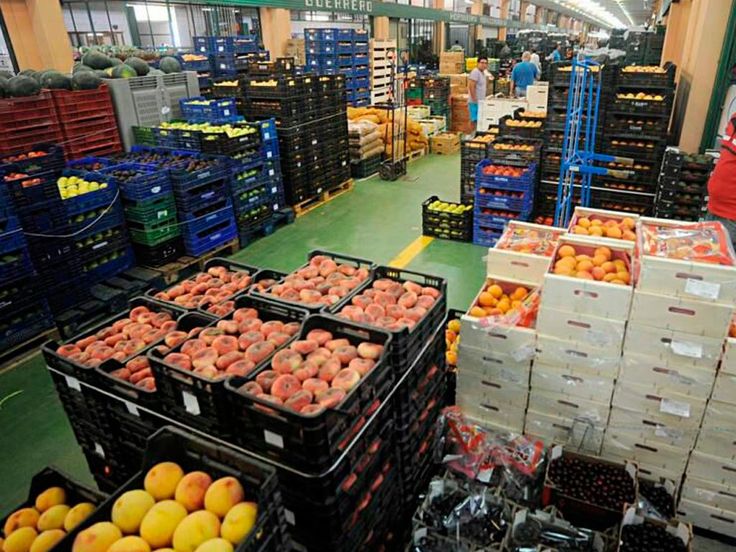
Food businesses in the Middle East depend heavily on steady, clean, and reliable supplies of fruits and vegetables from India. With demand rising across the UAE, Saudi Arabia, Qatar, and Kuwait, selecting the right Indian importer has become essential. A smart approach helps businesses source confidently through experienced partners who maintain quality standards in fresh produce export.
Understand What Your Business Needs
Before selecting an importer, Middle East buyers must first assess their product needs, delivery frequency, and expected quality standards. This clarity helps align with the right sourcing partner.
This includes:
• Identifying the exact product range required
• Choosing the correct volume and delivery schedule
This helps:
• Avoid mismatched supply
• Set realistic sourcing expectations
Check the Importer’s Handling and Quality Systems
A reliable importer pays close attention to handling, cold chain, and product grading. These practices ensure fruits and vegetables arrive in good condition even after long-distance movement.
This shows:
• Proper storage systems and temperature control
• Clear grading standards for size, freshness, and packaging
This ensures:
• Reduced spoilage
• Consistent presentation for retail shelves
Evaluate their Market Experience in GCC Regions
Experience matters when dealing with regional regulations and buyer expectations. Importers familiar with GCC markets understand shelf life requirements, preferred crop varieties, and timing of peak demand.
This includes:
• Knowledge of product movement through major ports
• Experience in schedules like India to Dubai fruit supplier routes
This supports:
• Smoother customs processes
• Better planning for retail and Horeca needs
Verify Consistency in Supply Capacity
A strong importer can maintain a year-round supply without major fluctuations. This is especially important for vegetables and fruits that GCC retailers stock weekly.
This includes:
• Steady volumes across seasonal shifts
• Reliable access to diversified farming networks
This helps:
• Avoid stock gaps
• Maintain stable product availability for customers
Compare Importers Before Making a Final Choice
Middle East food businesses should compare service strength, supply reliability, and quality consistency across options. These insights guide buyers as they choose the best Indian exporters for their needs.
This includes:
• Checking product samples, certifications, and past performance
• Reviewing how well the importer adapts to market demands
This supports:
• Better decision-making
• Stronger long-term sourcing partnerships